Choosing the right dumpster size is the most important decision you’ll make when renting a container. Too small and you’ll need a second haul. Too large and you’re paying for space you don’t use. This guide makes the decision simple by matching common projects to the right dumpster size.
Quick Size Guide by Project
Here’s a fast reference to help you pick the right container.
10 Yard Dumpster works best for small bathroom remodels, single-room cleanouts, garage or attic cleanups, small yard waste projects, removing a single layer of carpet or flooring, and minor deck or fence removal.
20 Yard Dumpster is the right choice for kitchen remodels, roof tear-offs on homes up to 1,500 square feet, multi-room cleanouts, medium landscaping projects, flooring replacement across several rooms, and whole-house decluttering.
30 Yard Dumpster handles new home construction debris, major whole-home remodels, large roofing projects, commercial office cleanouts, storm debris from multiple properties, and large deck or patio demolition.
40 Yard Dumpster is designed for full building demolition, commercial construction sites, warehouse or industrial cleanouts, large-scale disaster cleanup, multi-unit residential renovations, and major commercial buildouts.
Understanding Dumpster Dimensions
Dumpster sizes are measured in cubic yards, which refers to the container’s volume — not its physical footprint. Here are the standard dimensions for each size.
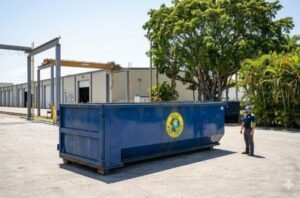
A 10-yard container is typically 10 feet long, 8 feet wide, and 4 feet high. It fits comfortably in most residential driveways and takes up about the same space as a compact car.
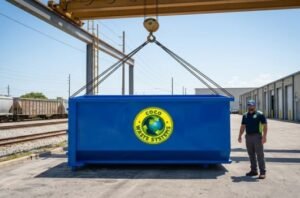
A 20-yard container measures about 20 feet long, 8 feet wide, and 4 feet high. Despite being twice the length of a 10-yard, it’s only 4 feet tall, making it easy to load without a ladder. This is roughly the length of a standard parking space.
A 30-yard container is 20 feet long, 8 feet wide, and 6 feet high. Same footprint as the 20-yard but two feet taller. You may need a ladder or ramp to load items into the top portion.
A 40-yard container measures 20 feet long, 8 feet wide, and 8 feet high. This is the tallest option and is commonly seen on commercial construction sites. The sides are high enough that you’ll want to use the rear swing door for loading heavy items.
The Pickup Truck Load Method
If you’ve never rented a dumpster before, thinking in terms of pickup truck loads is the easiest way to estimate your needs.
A 10-yard dumpster holds approximately 3 full-size pickup truck loads. A 20-yard holds about 6 loads. A 30-yard holds roughly 9 loads. And a 40-yard holds approximately 12 full-size pickup truck loads.
Walk through your project area and mentally picture how many truck loads of debris it would generate. That rough count maps directly to a dumpster size.
Weight Matters Too
Volume isn’t the only consideration. Weight is equally important because each dumpster has a maximum weight allowance, and exceeding it results in overage charges.
Light materials like furniture, household junk, cardboard, and general construction debris usually aren’t a concern. You’ll typically run out of space before hitting the weight limit.
Heavy materials are a different story. Concrete, brick, stone, dirt, roofing shingles, and tile are extremely dense. A 10-yard dumpster full of concrete can weigh 10 tons or more — far exceeding a standard weight allowance of 2 tons. If you’re disposing of heavy materials, tell your rental company upfront so they can recommend the right container and pricing.
A common mistake is mixing heavy materials with light debris. If you have both types, consider using a smaller container specifically for heavy items at a special rate, and a standard container for everything else. This is often more cost-effective than one large overweight load.
When to Size Up
Our general recommendation is to go one size larger than you think you need. There are several reasons for this.
People consistently underestimate how much debris their project will generate. This is especially true for renovation projects where you don’t see the full scope until demolition begins.
The cost difference between sizes is relatively small compared to the cost of ordering a second dumpster. If your first container fills up and you need another delivery, you’re essentially paying for two rentals.
Having extra space means you can toss in items you weren’t originally planning to dispose of. That old patio furniture, the broken appliances in the garage, or the leftover building materials from a previous project — they can all go in if you have room.
When a 20 Yard Is the Right Call
The 20-yard dumpster is our most popular size, and there’s a reason for that. It offers the best balance of capacity, footprint, and cost for most residential projects in Miami.
It fits in a standard two-car driveway without blocking both spots. It’s only 4 feet high, making it easy to load from ground level. It holds enough for most single-project renovations. And its price point represents excellent value per cubic yard of capacity.
If you’re unsure between a 10 and 20, go with the 20. If you’re unsure between a 20 and 30, consider how heavy your debris will be and how long your project will last.
Still Not Sure? We’ll Help.
The easiest way to choose the right size is to describe your project to someone who’s seen thousands of them. At Coco Waste Systems, we’ll ask about your project type, the area you’re working in, the type of debris you expect, and your timeline — then recommend the perfect container.
Call or text (305) 728-9445 for a free consultation and quote. We’ve been helping Miami homeowners and contractors choose the right dumpster for years, and we’re happy to help you too.